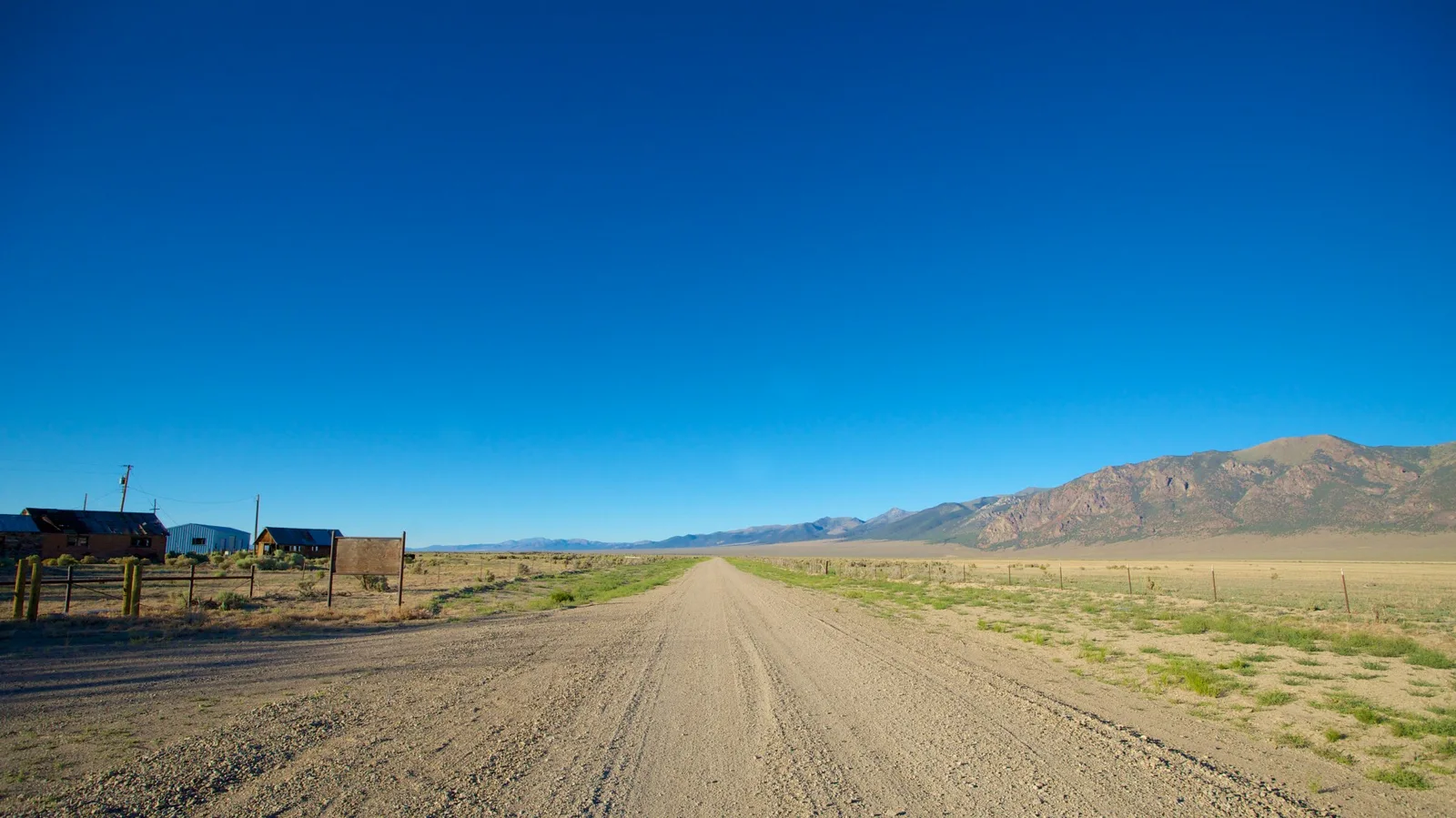
A driveway starts below the gravel
A new driveway needs more than a load of stone spread over bare ground. The route, width, equipment access, soil condition, and drainage all influence the work. Soft or organic material may need removal before a stable base can be built.
Suitable road base is placed in manageable layers, shaped, and compacted. The finished surface should support traffic while directing runoff toward a planned outlet. Material depth and compaction methods depend on the site and intended loads.
New installation or resurfacing?
New installation creates access where there is no established driveway, or rebuilds sections whose base has failed. Resurfacing adds a suitable top layer over an existing driveway that still has a sound foundation.
Before top-dressing, ruts and potholes should be reworked and the grade corrected. Spreading fresh gravel over a soft base or trapped water can hide the problem briefly without solving it.
Plan the full access route
Share how the property is used: daily vehicles, trailers, deliveries, or heavier equipment. Gates, turning space, overhead clearance, and the connection to the public road matter as much as driveway length.
- Check the existing ground and any soft sections.
- Plan the crown or cross-slope and drainage outlets.
- Confirm base material, surface material, delivery, and compaction in the quote.
- Review road-connection or culvert approvals before construction.
Request an assessment for your property
For gravel driveway installation in Farmington, Aztec, Bloomfield, Kirtland, or rural San Juan County, send the location and approximate length. If you already have a driveway, mention whether it needs a fresh surface, wider access, or a full rebuild.